Our Laboratory
What happens to your embryos
when you're not in the room.
From the moment your eggs are retrieved to the day your embryo is transferred — every second in between is controlled, measured, and protected. This page shows you exactly how.


WHERE PRECISION MEETS CARE
Consistency
over everything.
In IVF/ICSI, outcomes are not determined by a single piece of equipment. They are determined by how consistently every step — from egg retrieval to embryo culture to transfer — is executed under controlled conditions.
99%
Thawed frozen embryos survival rate
Intl avg: 90%
96.3%
Thawed Frozen Eggs Survival Rate
Intl avg: 70–85%
72%
Blastocyst Formation Rate
Intl avg: 40–60%
99.8%
PGT-A (PGS) Detection rate
Intl avg: 90–95%
Our approach
Your embryos are never an afterthought.
In IVF, the laboratory is where outcomes are decided. Not by a single piece of equipment — but by how consistently every step is controlled. Temperature. Air quality. Light exposure. pH levels. Timing. Each one is a variable that affects whether your embryo develops or doesn't.
The difference between a good lab and a great lab is not the equipment. It is whether the embryologist does the same thing, the same way, every single time.
— Adapted from the Vienna Consensus on IVF laboratory standards
Independent Chambers for Individual Care
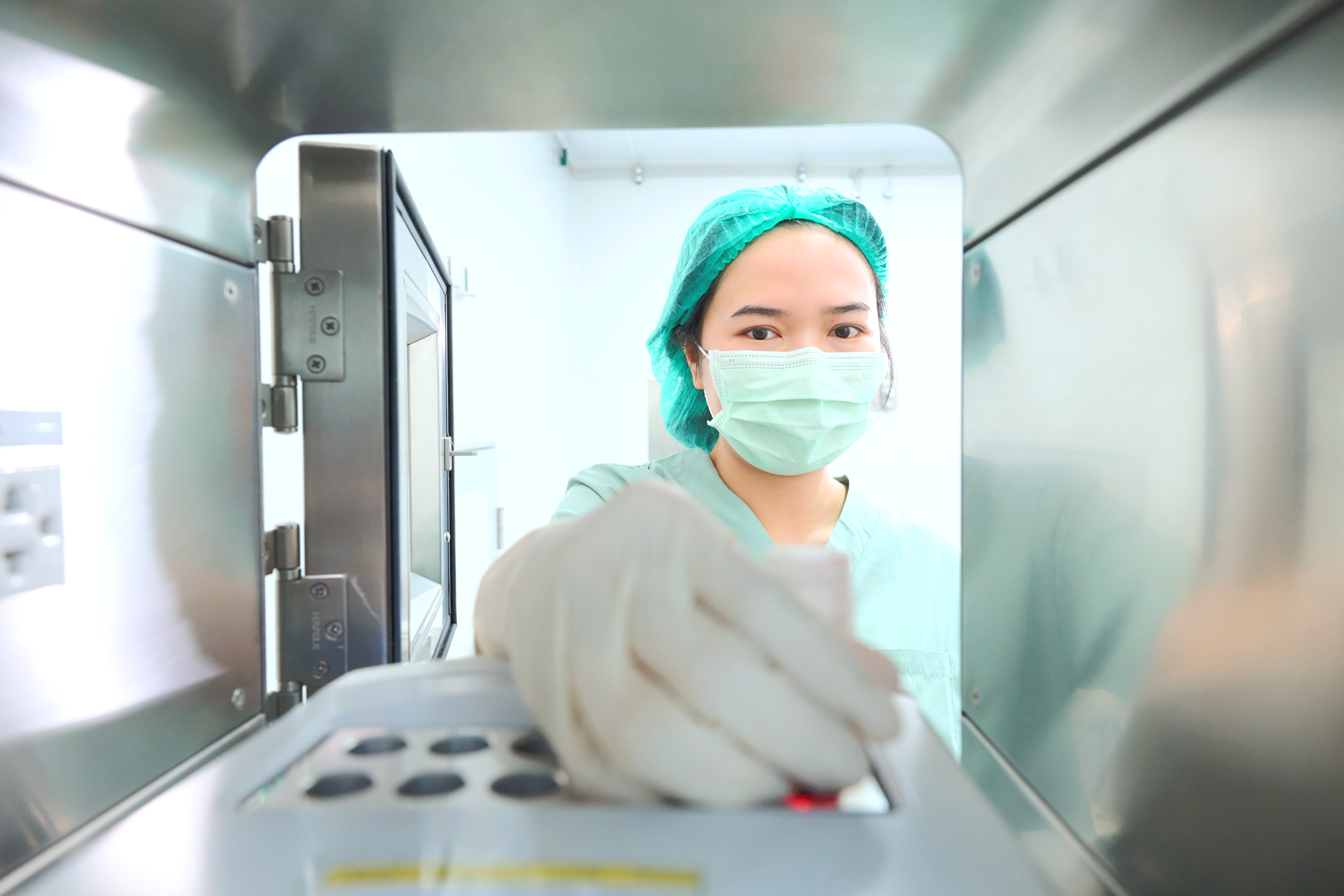
Our MIRI® TL IVF incubator features independent chambers, allowing each patient’s embryos to be cultured in a dedicated space to help reduce the risk of cross-contamination.
Each chamber provides precise temperature and gas control to maintain a stable environment for embryo development. Embryologists can access one chamber without disrupting the conditions or time-lapse monitoring in the others.
Time-Lapse Monitoring
Time-lapse technology captures images of embryos at regular intervals, creating a detailed video of their development. This allows our embryologists to observe developmental patterns and assess embryo quality, supporting informed decisions when selecting embryos for transfer.

One protocol. Every time.
Every embryologist in our lab follows the same standardised operating procedures — developed and validated across an international fertility network. This eliminates variation between practitioners and ensures repeatable results.
Inside the lab
How we protect your embryos at every step.
Here's what happens from the moment your eggs leave the operating theatre to the moment your embryo is ready for transfer.
01
Egg Retrieval
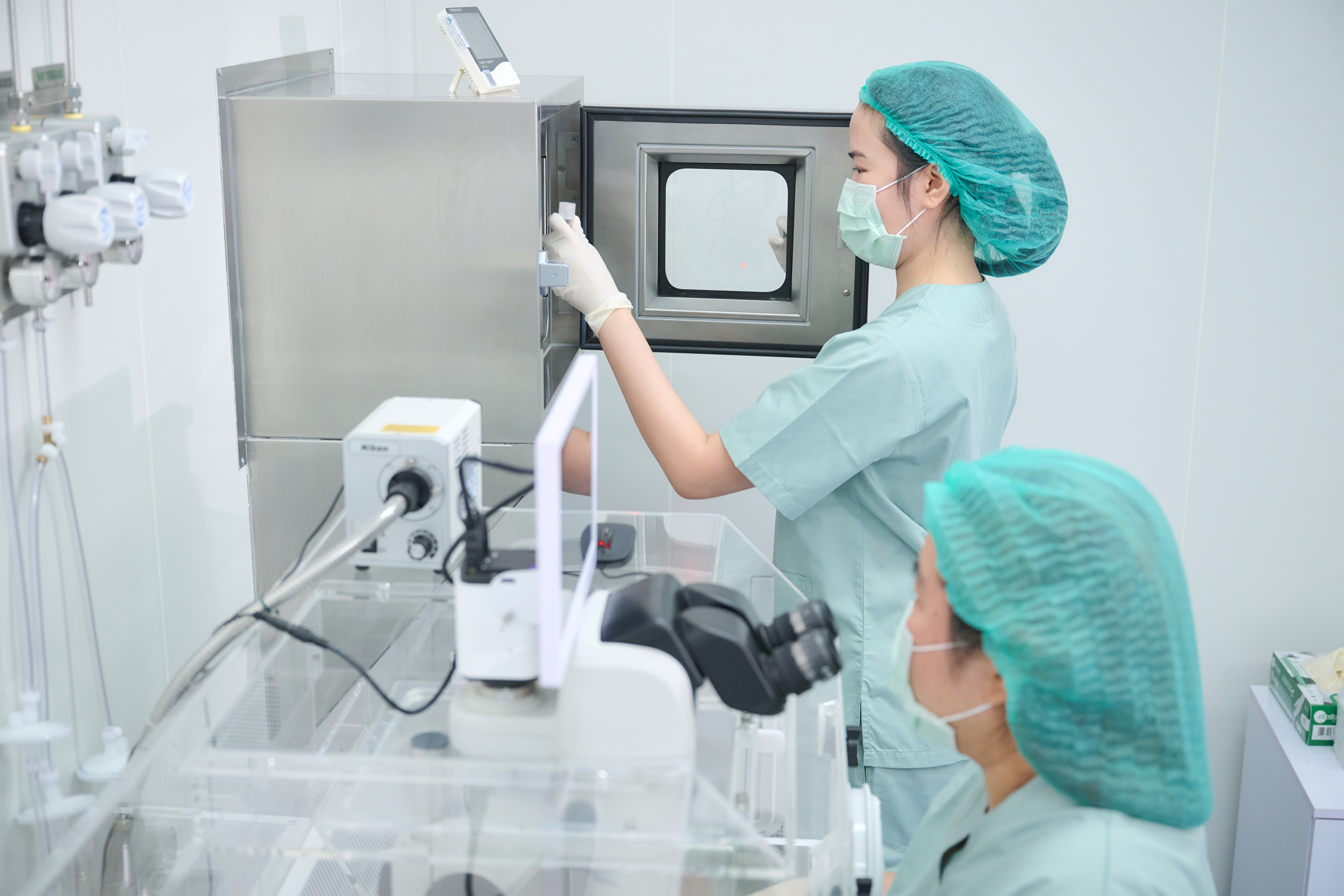
Collected eggs are immediately transferred to the lab through a dedicated pass-through window — never carried through corridors. Time outside controlled conditions: under 30 seconds.
Nikon inverted microscope for identification
02
ICSI Fertilisation
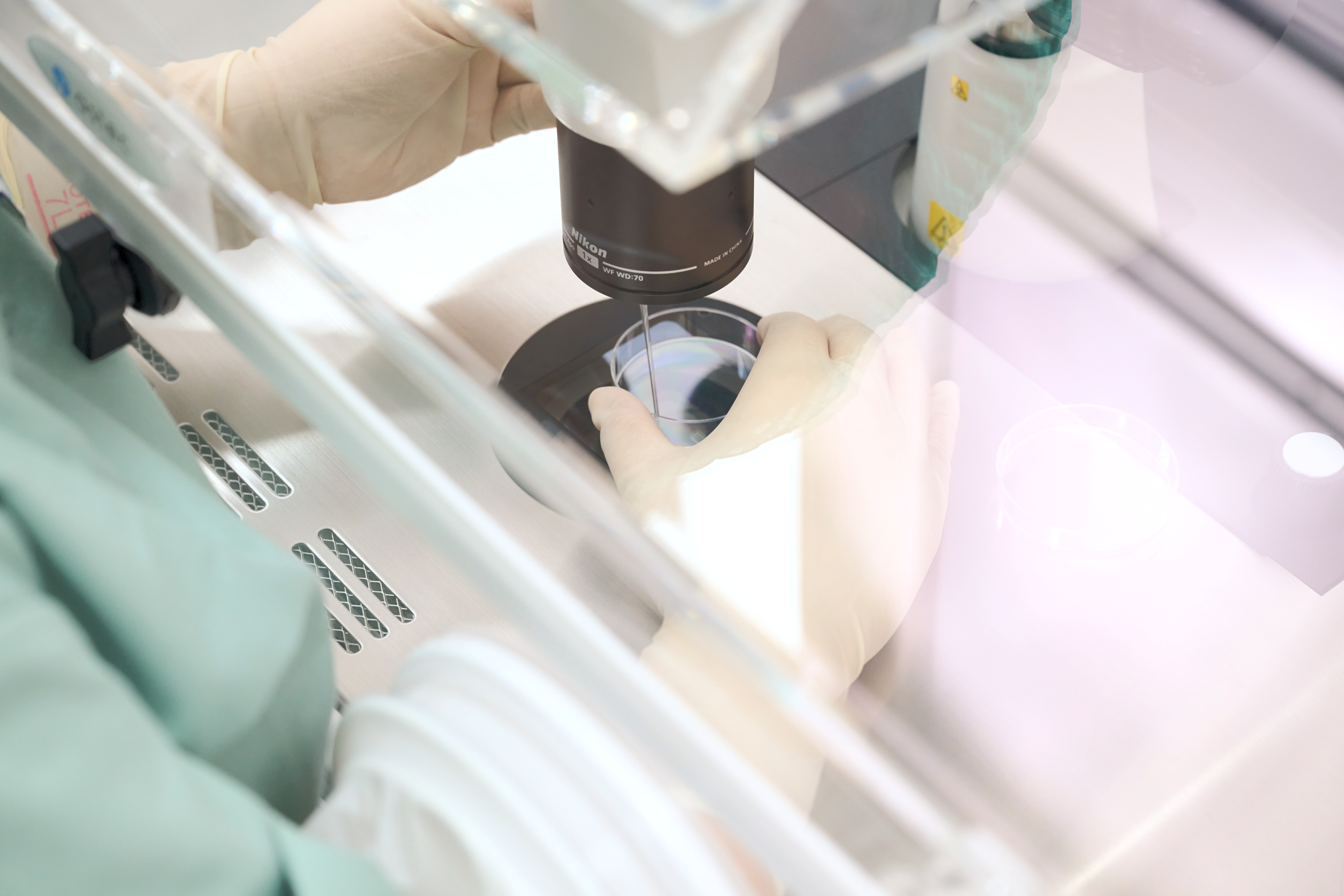
A single selected sperm is injected directly into each mature egg using micromanipulation. Our embryologists follow the "light, gentle, slow" principle — minimising cellular stress.
Performed at 37°C on heated stage
03
Embryo Culture
Fertilised eggs are placed in your individual incubator and cultured for 5–6 days. Temperature, gas concentration, and humidity are continuously monitored. Each embryo is assessed daily.
Individual incubator per patient
04
Biopsy & Screening
If PGT-A is indicated, 5–8 cells are removed from the outer layer of each blastocyst. The inner cell mass — which becomes the baby — is never touched. Samples are sent for NGS analysis.
99.8% detection accuracy
05
Vitrification
Embryos are flash-frozen using ultra-rapid cooling — preventing ice crystal formation that could damage cells. Stored in liquid nitrogen at -196°C. Your embryos remain biologically unchanged.
99% thaw survival rate
PURPOSE-BUILT FOR EMBRYO SAFETY
The equipment
behind every cycle.
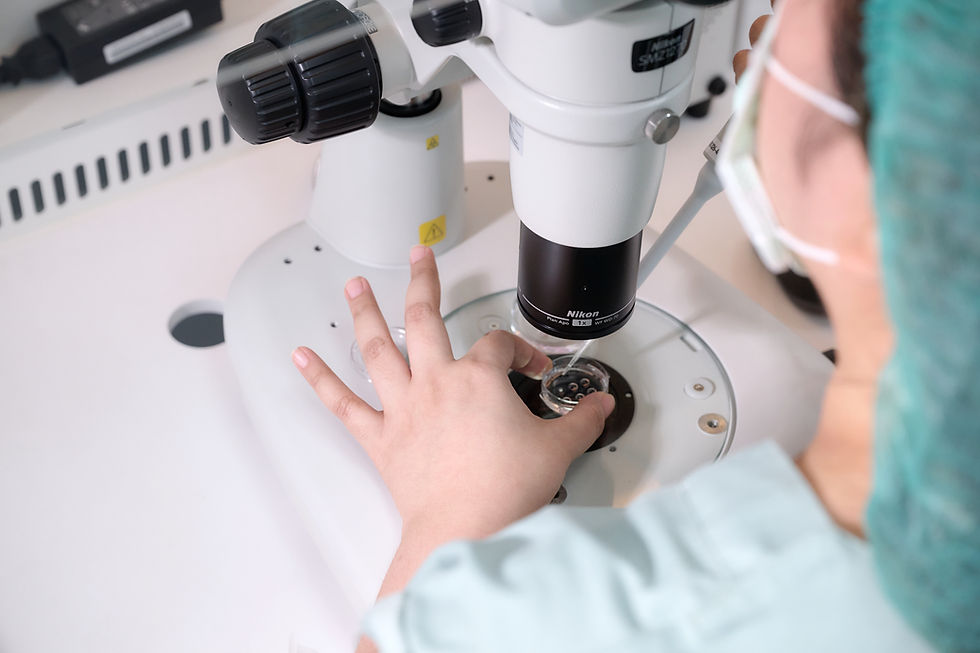
Nikon Inverted Microscope

We have specially introduced the "Nikon Inverted Microscope and micromanipulation systems from Japan and Germany" to carry out assisted reproductive medical procedures — allowing our embryologists to precisely apply the "Light, Gentle, Slow" precision operation principle, ensuring sperm, eggs, and embryos receive gentle and precise protection from injury at every step.
Optimal Embryo Development Environment

Our embryology laboratory pays great attention to the laboratory environment, the temperature control during each embryo operation, and the air quality of the workspace — so that embryo handling can maintain an appropriate temperature and culture environment from start to finish.
Nikon Stereo Microscope

The high-specification "Nikon Stereo Microscope", specifically used for sperm and egg freezing and thawing services. The precision technology significantly reduces the risk of damage during freezing and thawing of sperm and eggs, providing higher IVF success rate assurance for each case.
Individual Independent Incubators

Each patient's oocytes and embryos are cultured in a separate, dedicated incubator — similar to a private room. Only one is opened at a time, this significantly reduces the time exposed to room temperature, and avoids changes in temperature and pH inside the incubator that could affect all the eggs and embryos.
Accountability
We publish our numbers because you deserve to see them.
Our laboratory tracks performance against the Vienna Consensus — the international benchmark for IVF lab quality established by ESHRE and Alpha. We don't just meet it. We report against it every month.
Monthly KPI Tracking
Oocyte maturation rate, fertilisation rate, blastocyst formation, implantation rate, thaw survival — all tracked by age group with rolling 3-month analysis. When a number drops below threshold, we investigate and act. Not next quarter. That month.
International Benchmarking
Our KPI definitions match those used across an international network of fertility centres. This means our numbers are directly comparable — not self-reported against our own baseline. Same definitions. Same standards. Verifiable.
Source
Lab performance data from Angel Baby IVF Clinic. International benchmark references: The Alpha Consensus Meeting; Vienna Consensus (ESHRE / ASRM, 2017). KPI framework aligned with international fertility network reporting standards.